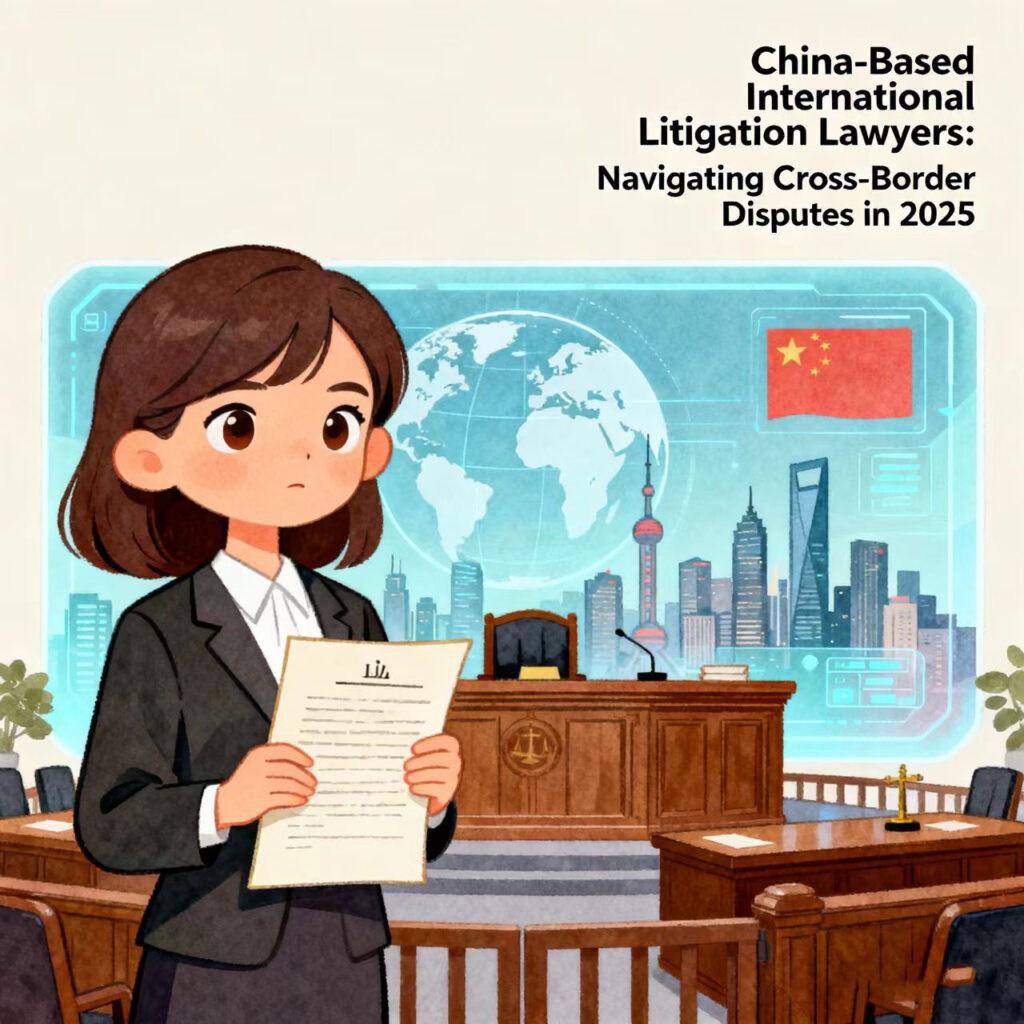
In an era of escalating geopolitical tensions and complex global trade dynamics, China-based international litigation lawyers have become indispensable allies for multinational corporations. These legal professionals combine deep knowledge of Chinese law with expertise in global dispute resolution mechanisms, enabling them to navigate multi-jurisdictional challenges involving trade sanctions, intellectual property conflicts, and regulatory investigations. This article explores the evolving role, key specializations, and strategic value of China-based international litigation lawyers in safeguarding corporate interests across borders.
1. The Expanding Role of China-Based International Litigation Lawyers
Modern international litigation lawyers in China do more than just represent clients in court. They act as strategic advisors, coordinating legal actions across multiple countries while aligning outcomes with business objectives. Their responsibilities include:
– Multi-Jurisdictional Strategy Development: Designing litigation plans that harmonize Chinese legal requirements with U.S., EU, or ASEAN regulations.
– Cross-Cultural Mediation: Bridging communication gaps between Chinese enterprises and foreign legal systems to prevent misunderstandings that could undermine cases.
– Political Risk Mitigation: Advising clients on navigating disputes influenced by Sino-U.S. trade policies or export controls.
For example, lawyers like Liu Xiangwen of Zhong Lun Law Firm have pioneered “Tell One Story” strategies—ensuring consistent factual narratives across different jurisdictions to strengthen legal positions in high-stakes disputes.
2. Why Choose a China-Based International Litigation Lawyer?
A. Local Legal Insights
China’s civil law system features unique procedures, such as judicial review of foreign judgments and evidence collection rules. Domestic lawyers understand how to leverage these nuances.
B. Cost Efficiency
Engaging a China-based lawyer as lead counsel reduces the need for expensive overseas legal teams. For example, Xiao Liu (Quinn Emanuel) coordinates U.S. litigation from Beijing, saving clients 30–50% in legal fees.
C. Strategic Government Relations
Experienced lawyers maintain working relationships with regulatory bodies like the Ministry of Commerce (MOFCOM) and courts, facilitating faster dispute resolution.
3. Emerging Trends Shaping the Field
A. Technology-Driven Disputes
Lawyers are increasingly handling cases involving AI, data privacy, and cybersecurity. For instance, Yuan Quan (Beijing Huisong Law) helps clients comply with China’s PIPL and GDPR simultaneously.
B. Geopolitical Litigation
U.S.-China tensions have spurred cases involving sanctions, supply chain disruptions, and national security reviews. Lawyers like Wang Dakun develop “dual compliance” strategies to satisfy both jurisdictions.
C. ESG and Sustainability Claims
New disputes involve allegations of environmental non-compliance or labor violations. Firms like Global Law Office advise on ESG reporting standards and litigation defense.
4. How to Select the Right Lawyer
– Check Cross-Border Experience: Prioritize lawyers with proven success in your industry and relevant jurisdictions (e.g., U.S. federal courts or EU trade panels).
– Assess Language Skills: Fluency in English and Chinese is essential for drafting precise legal documents and negotiating with overseas parties.
– Review Case Histories: Look for lawyers with published outcomes in similar disputes, such as IP enforcement or trade sanction cases.
Conclusion
China-based international litigation lawyers offer a critical blend of local expertise and global strategic vision. As cross-border disputes grow in complexity, their ability to navigate legal, cultural, and political challenges makes them invaluable partners for multinational enterprises. By selecting a lawyer with aligned specializations and a track record of success, businesses can turn legal risks into competitive advantages.
Disclaimer: This article is for informational purposes only and does not constitute legal advice. Consult qualified counsel for specific disputes.